Chinese New Year in 2026 is the Year of the Horse and is scheduled to start on Tuesday, Feb. 17, and last until the Lantern Festival on March 3, the date of the next full moon.
It is the most important traditional festival in China. It marks the beginning of the new year on the traditional lunar calendar. The history of Chinese New Year dates back over 4,000 years, rooted in ancient agricultural practices, seasonal cycles, and mythology.
History
- Origins: The origins can be traced back to the Shang Dynasty (1600-1046 BC), where people held ceremonies and offerings to gods and ancestors at the end of each year.
- Mythology: The legend of Nian, a mythical beast that would come and attack villagers at the end of each year, is central to the festival’s origins. People used loud noises, firecrackers, and the color red to scare Nian away, which evolved into celebratory traditions.
- Evolution: Over centuries, the celebrations have evolved, absorbing influences from various dynasties, adapting to cultural changes, and incorporating new customs.
Significance
- Cultural Heritage: Chinese New Year is a time to honor deities and ancestors, emphasizing filial piety and familial bonds.
- Community and Family: The festival is a time for family reunions, with many people traveling great distances to be with loved ones. The “reunion dinner” on New Year’s Eve is a significant meal, symbolizing unity and prosperity.
- Traditions and Customs:
- Red Decorations: Homes are adorned with red decorations, such as lanterns, couplets, and paper cutouts, symbolizing good fortune and warding off evil spirits.
- Fireworks and Firecrackers: These are used to celebrate and create a festive atmosphere, as well as to frighten away evil spirits.
- Lion and Dragon Dances: These performances bring good luck and drive away evil spirits.
- Giving Red Envelopes: Elders give red envelopes (hongbao) containing money to children and unmarried adults, symbolizing good luck and wealth.
- Cleaning and Feasting: Homes are thoroughly cleaned to sweep away bad luck and make way for incoming good luck. Traditional foods, such as dumplings, fish, and niangao (rice cakes), are prepared and eaten.
- Cultural Exchange and Influence: Chinese New Year is celebrated worldwide, reflecting the global Chinese diaspora. It promotes cultural understanding and exchange, with celebrations taking place in various countries, often influencing local customs.
In summary, Chinese New Year is deeply rooted in history and cultural significance, representing a time of renewal, family unity, and the welcoming of prosperity and good fortune.
WashU Events
- February 6th and 7th at 7pm and February 7, 2026 at 2:00pm and 7:00pm – Lunar New Year Festival presented by WU AAPI students in Edison Theater.
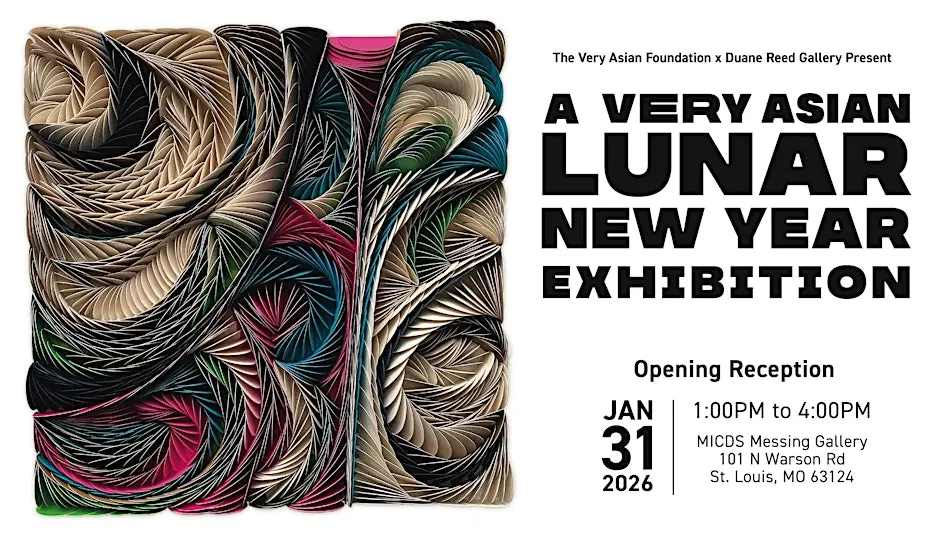
St. Louis Community Events
- January 31st from 1:00-4:00pm – A Very Asian Lunar New Year Exhibition, MICDS Messing Gallery, 101 N. Warson Rd, St. Louis, MO 63124
- February 20, 2026 from 4:00-8:00pm – SLAM Social – Lunar New Year, St. Louis Art Museum
- February 21, 2026 from 10:30-11:30am – Lunar New Year Festival, St. Louis Public Library – Buder location